
Niagara Falls in numbers
The American Falls, the Bridal Veil Falls and the Horseshoe Falls together make up Niagara Falls. The state park on the US side counts all three as the Niagara Falls.
Numbers for waterfalls depend on where you measure, so each figure below names its reference point. If you want to see the falls up close, the Niagara Falls boat tours are the most direct way, and the Canada or USA comparison helps you pick a starting side.
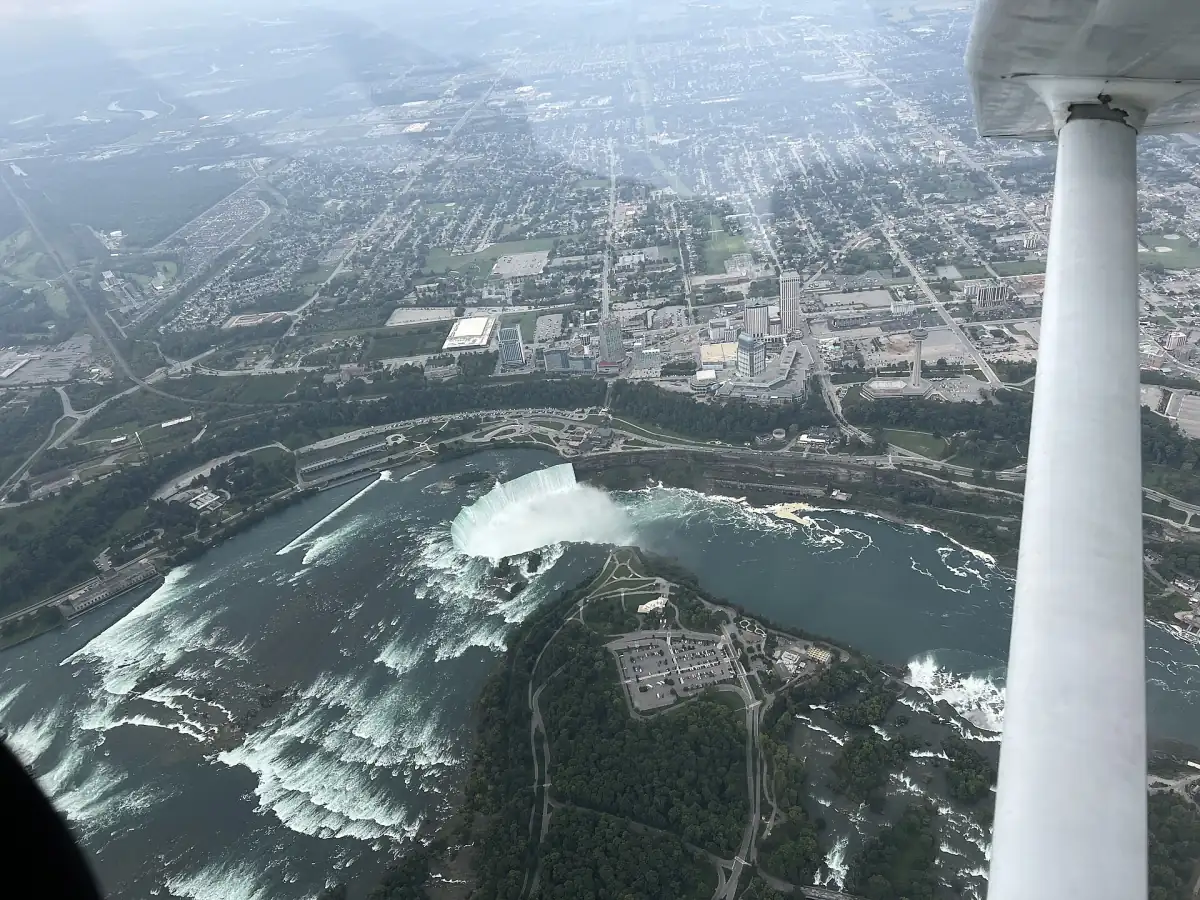
Height and width compared
Meter and foot values are rounded pairs. The measuring point changes the result.
| Fall | Height | Width | Note |
|---|---|---|---|
| Horseshoe Falls | 57 m / 188 ft on average | About 670 m / 2,200 ft | Width measured along the crest |
| American Falls | 21 to 34 m / 70 to 110 ft to the rubble at its foot; 57 m / 188 ft to the river | About 260 m / 850 ft | Always check which reference point a figure uses |
| Bridal Veil Falls | – | – | Counted as the third fall. Figures from other waterfalls with the same name do not apply. |
For most readers the useful number is the 57 m average fall height of the Horseshoe Falls. For the American Falls, the figure depends on whether you measure to the rubble or to the river.
Our pick: the falls up close
A short guided tour of the US side with the boat to the base of the falls.
Hand-picked tours, booked through GetYourGuide. Prices are indicative starting prices in US dollars (as of October 2026). Tap a tour for live availability and the current price in your currency.
Niagara Falls tours and tickets
Boat tours, day trips from Toronto and New York, helicopter flights and more, with live prices and availability.
Water flow and the treaty
The Niagara Treaty between Canada and the United States dates from 27 February 1950. It sets minimum flows over the falls, and water beyond the priority uses for hydropower flows over them as well.
- 1 April to 15 September, 8 a.m. to 10 p.m.: at least 2,832 m³/s (100,000 ft³/s) over the falls.
- 16 September to 31 October, 8 a.m. to 8 p.m.: the same minimum of 2,832 m³/s.
- Other times: at least 1,416 m³/s (50,000 ft³/s).
That means the flow is not constant, and there is no single measured daytime or nighttime figure to quote. Hours are given in Eastern Standard Time in some places and in local time in others, so allow an hour of margin in summer.
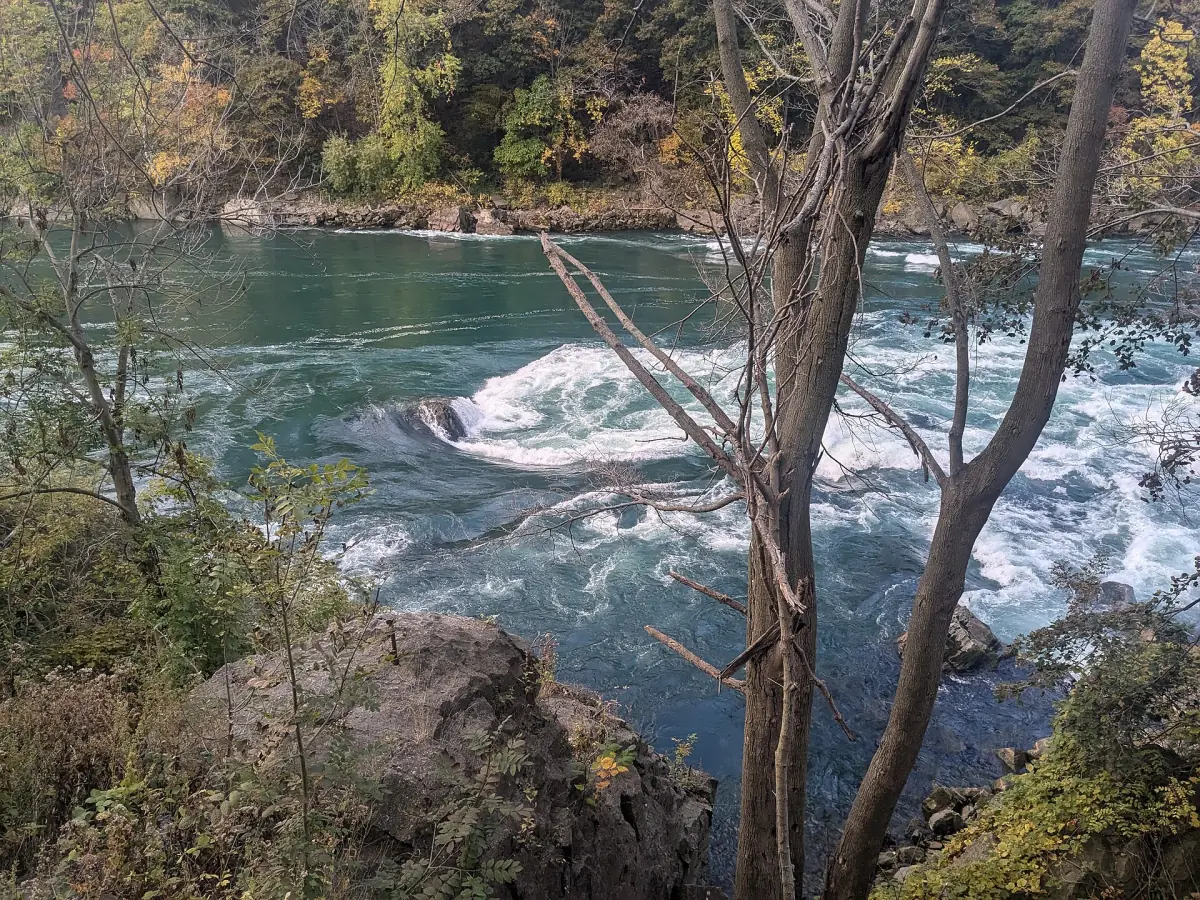
How the falls formed and moved
An ice age origin and a falls that keep retreating upstream.
Ice age origin
The falls formed at the end of the ice age. Over about 12,500 years they have moved back roughly 7 miles (about 11 km) upstream. The present erosion rate is not settled, so avoid claims about when the falls will disappear.
The 1969 diversion
In 1969 the flow to the American Falls was diverted behind a dam so that the rock could be examined. It lasted about six months. Only the American Falls were affected, not all of Niagara Falls.
The oldest state park
The site was established as the Niagara Reservation in 1885 and is the oldest state park in the United States. Walking in the park costs no admission. Attractions and parking are charged separately.
Two dates from the daredevil era
Both are well documented.
19 August 1859: Blondin
The tightrope walker Blondin crossed the gorge with his manager. He performed several rope stunts above the gorge. Do not read this as a rope stretched across the crest of the Horseshoe Falls.
24 October 1901: Annie Taylor
Annie Taylor went over the Horseshoe Falls in a barrel on her 63rd birthday. She was the first person to survive such a trip.
These stories are history, not an invitation. Stay behind the railings. Swimming is not allowed, and the river has undercurrents and quickly changing water levels.
See the falls for yourself
Pages that put the numbers into a visit.
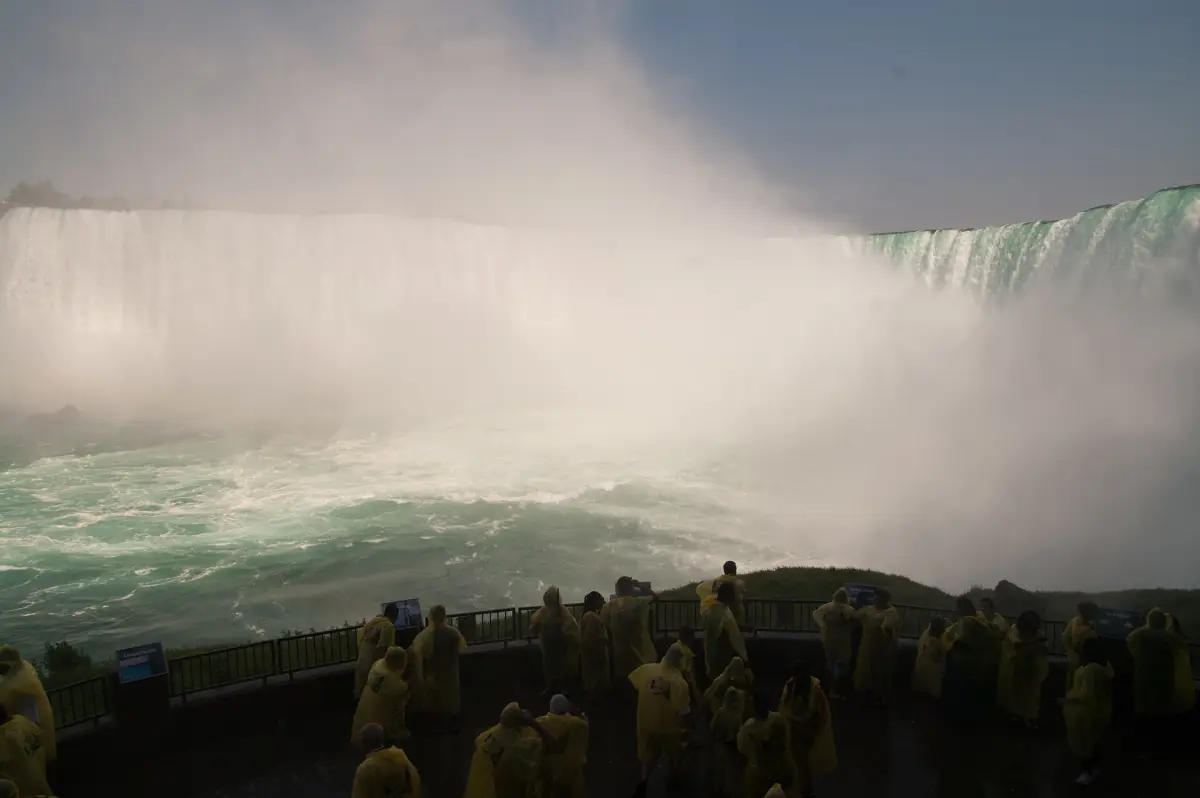
Journey Behind the Falls
Tunnels, portals and an outdoor platform beside the Horseshoe Falls.
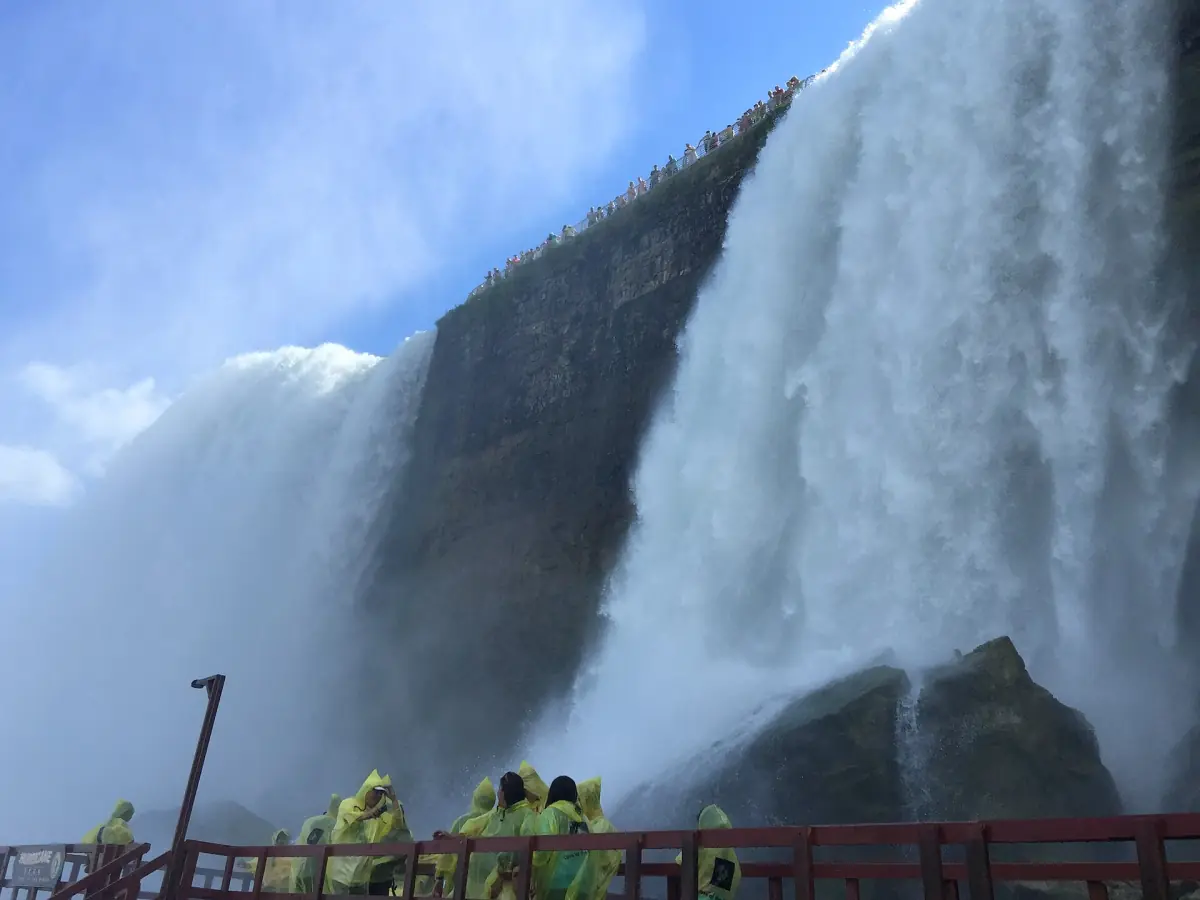
Cave of the Winds
Walkways beneath the Bridal Veil Falls on Goat Island.
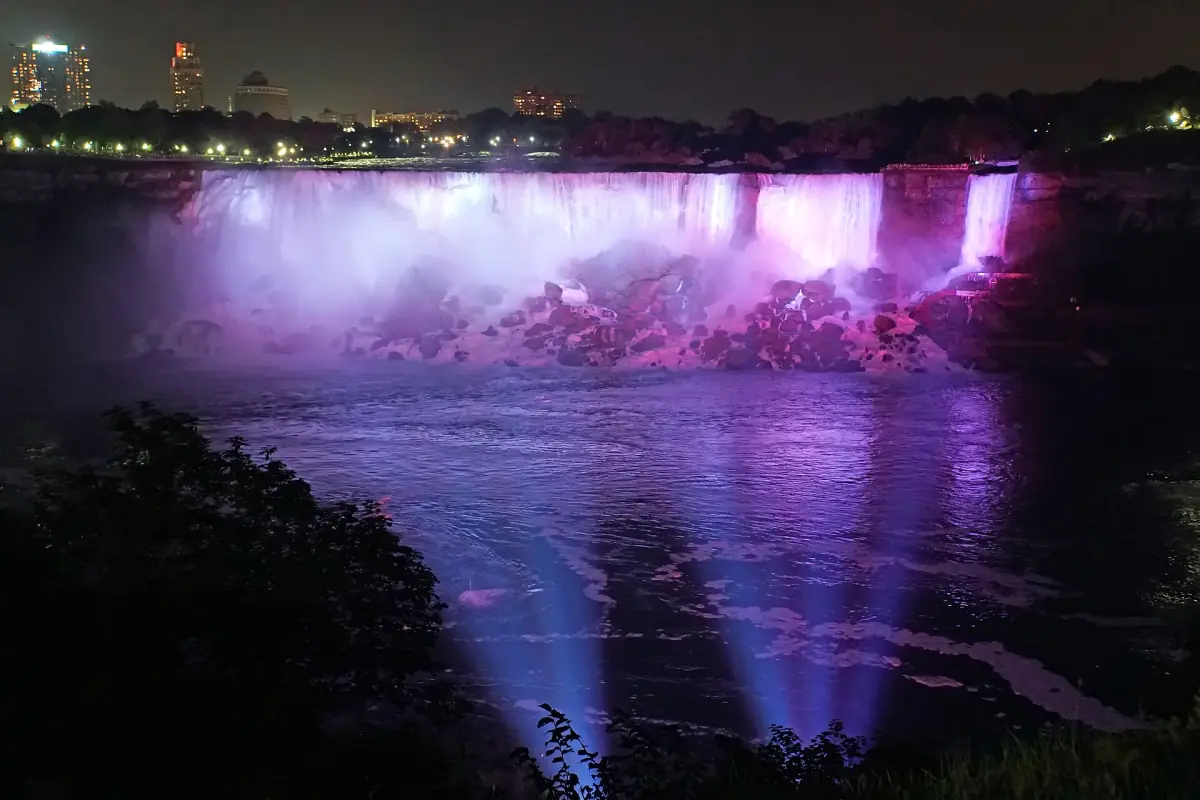
Niagara Falls at night
Illumination times and the fireworks seasons.
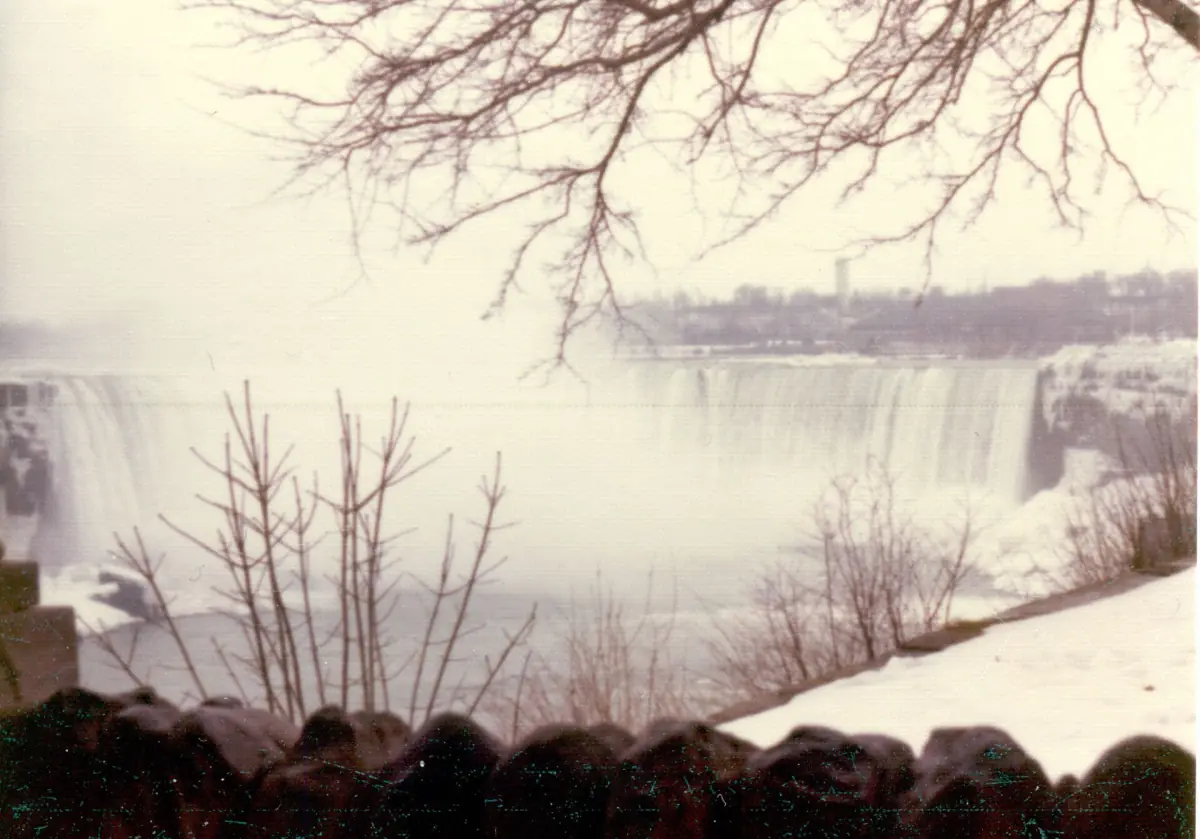
Best time to visit
Monthly temperatures and what runs in each season.
Niagara Falls facts: frequently asked questions
How tall are the Niagara Falls?
The Horseshoe Falls have an average fall height of 57 m (188 ft). The American Falls drop 21 to 34 m (70 to 110 ft) onto the rubble at their foot, or 57 m (188 ft) when measured to the river. Always check the reference point.
Did Niagara Falls ever run dry?
No. In 1969 the flow to the American Falls was diverted behind a dam for about six months so that the rock could be examined. The Horseshoe Falls kept flowing.
Is the flow over the falls the same all day?
No. The treaty sets a higher minimum for the daytime hours of the season than for other times.
Who was the first to survive the Horseshoe Falls in a barrel?
Annie Taylor, on 24 October 1901, her 63rd birthday, was the first person to survive a barrel trip over the Horseshoe Falls.
Is niagara-falls.org an official site?
No. This is an independent travel guide. It has no link to Niagara Parks, the Niagara Falls State Park, the cities, a tourism organization or any tour or boat operator.